Why Do I Have to Refill My Inverter Battery Water So Often?
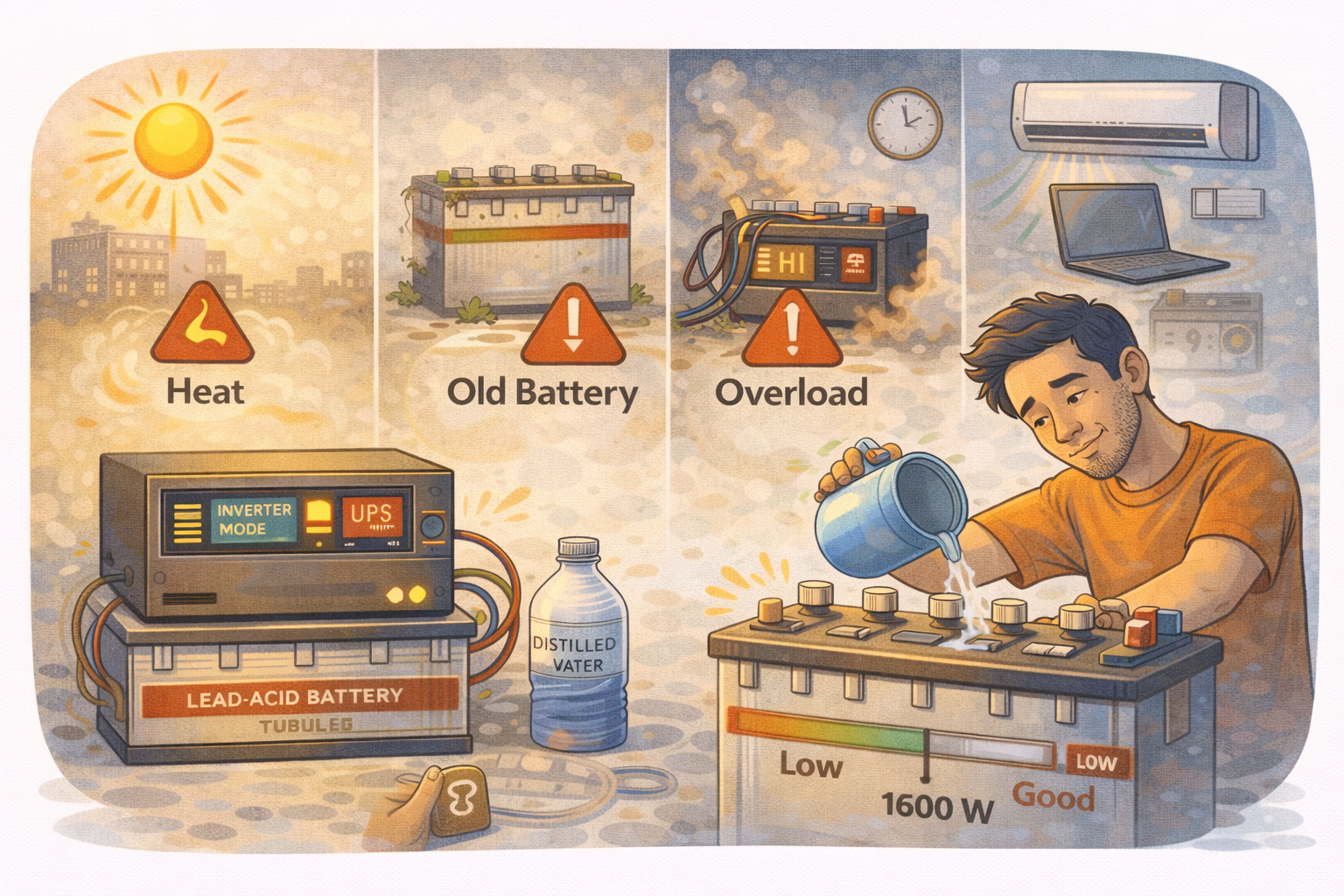
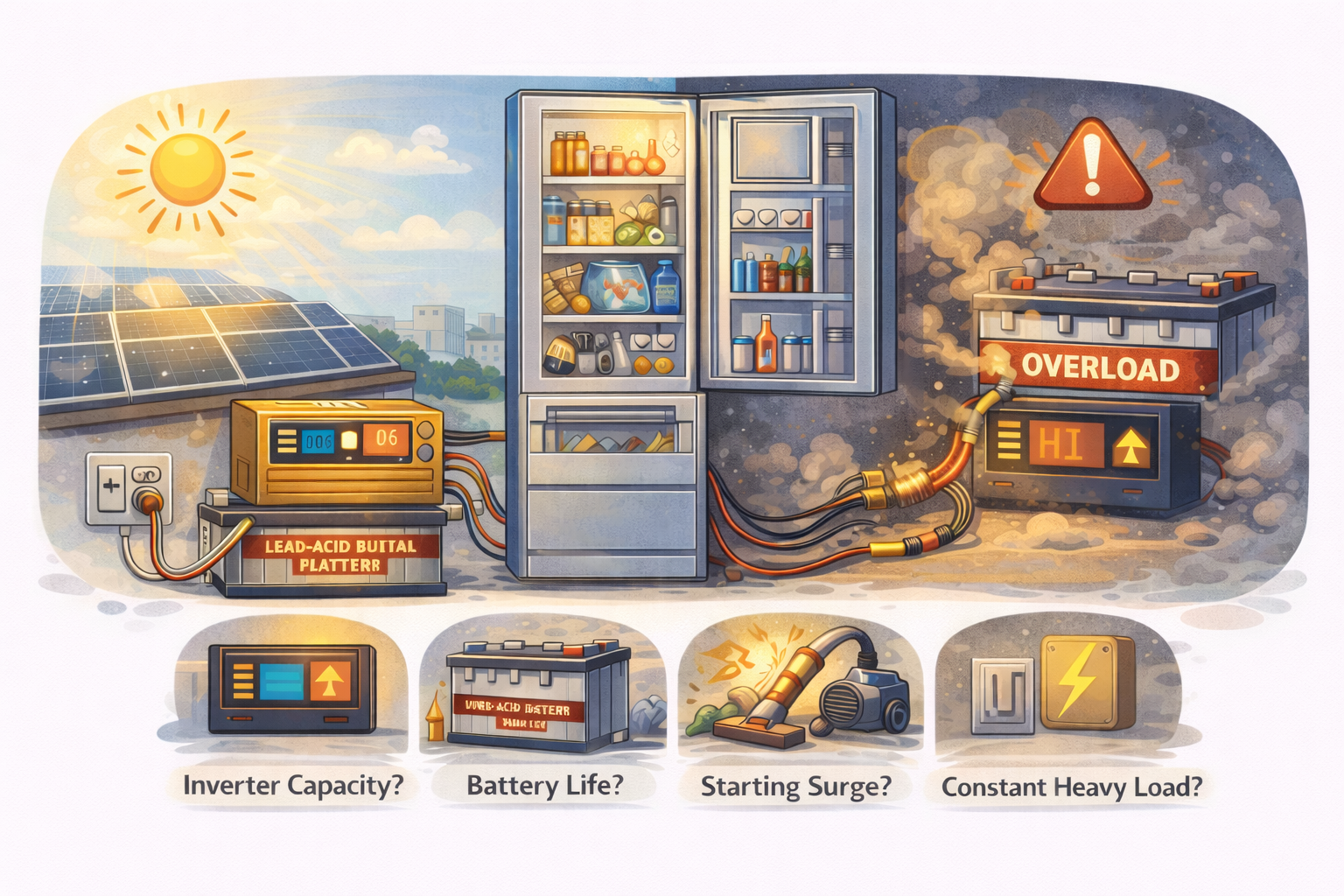
Illustration of a person topping up distilled water in a lead-acid tubular inverter battery, showing common causes of frequent water loss such as heat, old battery, overload, and heavy usage during load shedding.

In Pakistan, load shedding makes batteries work harder than people expect. When the mains supply goes off (your local utility could be K-Electric, WAPDA/discos, or another provider depending on the city), the inverter shifts to battery mode. Then when power returns, it charges again. This daily charge–discharge cycle is normal here, but it also speeds … Read more
Solar Panels Producing Less Power in Winter – Is It Normal?

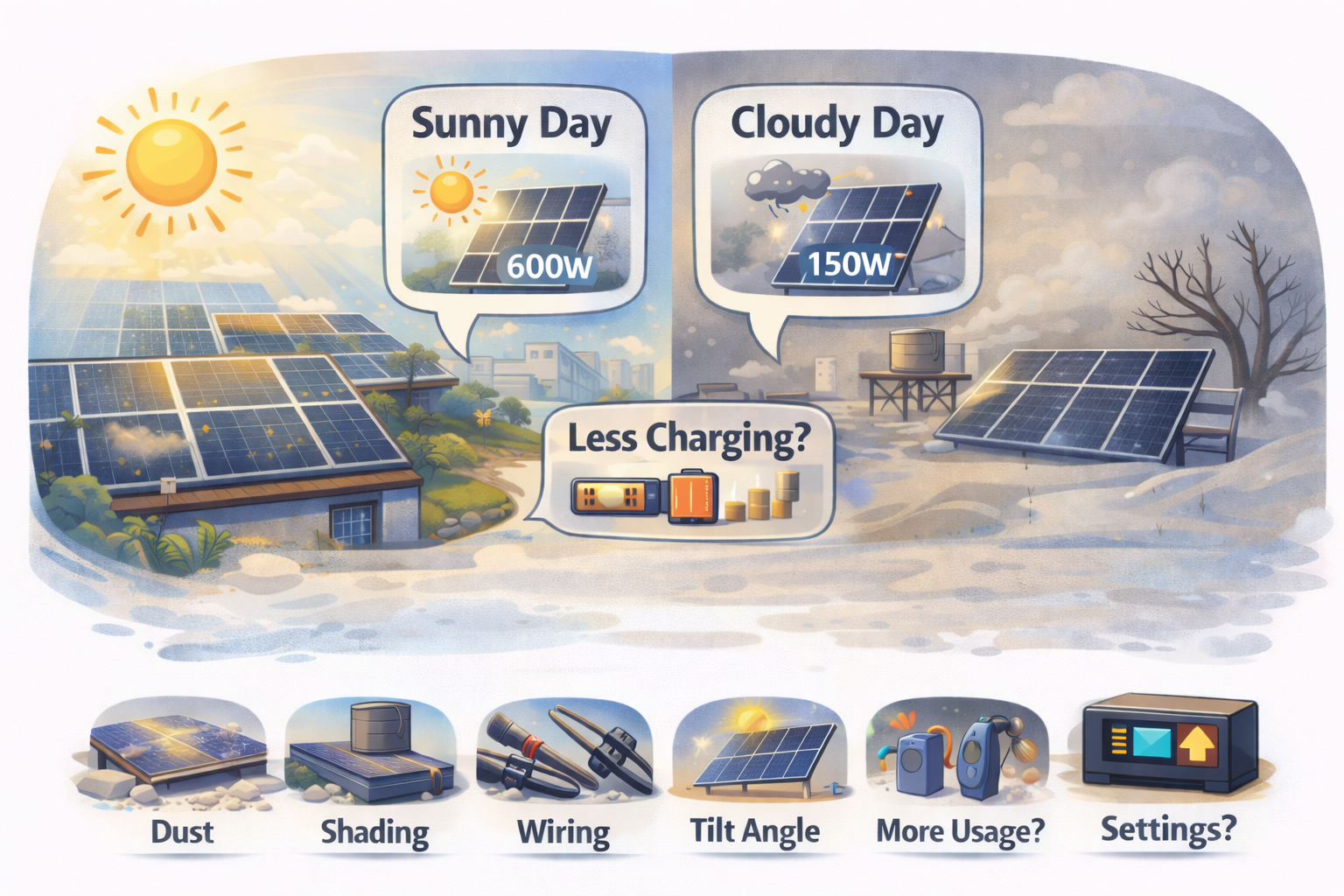
Illustration comparing solar panel output on a sunny winter day versus a cloudy/smoggy day, showing reduced power generation and common causes like dust, shading, wiring issues, panel tilt, higher usage, and inverter settings.

In Pakistan, many homes add solar because load shedding is unpredictable and electricity bills keep rising. In summer, solar feels amazing: fans run, the inverter charges fast, and the batteries stay healthy. Then winter comes, and people start noticing something odd: panels are installed, but power looks lower the inverter shows fewer amps batteries don’t … Read more

UPS/Inverter Overheating in Hot Weather – Prevention Tips

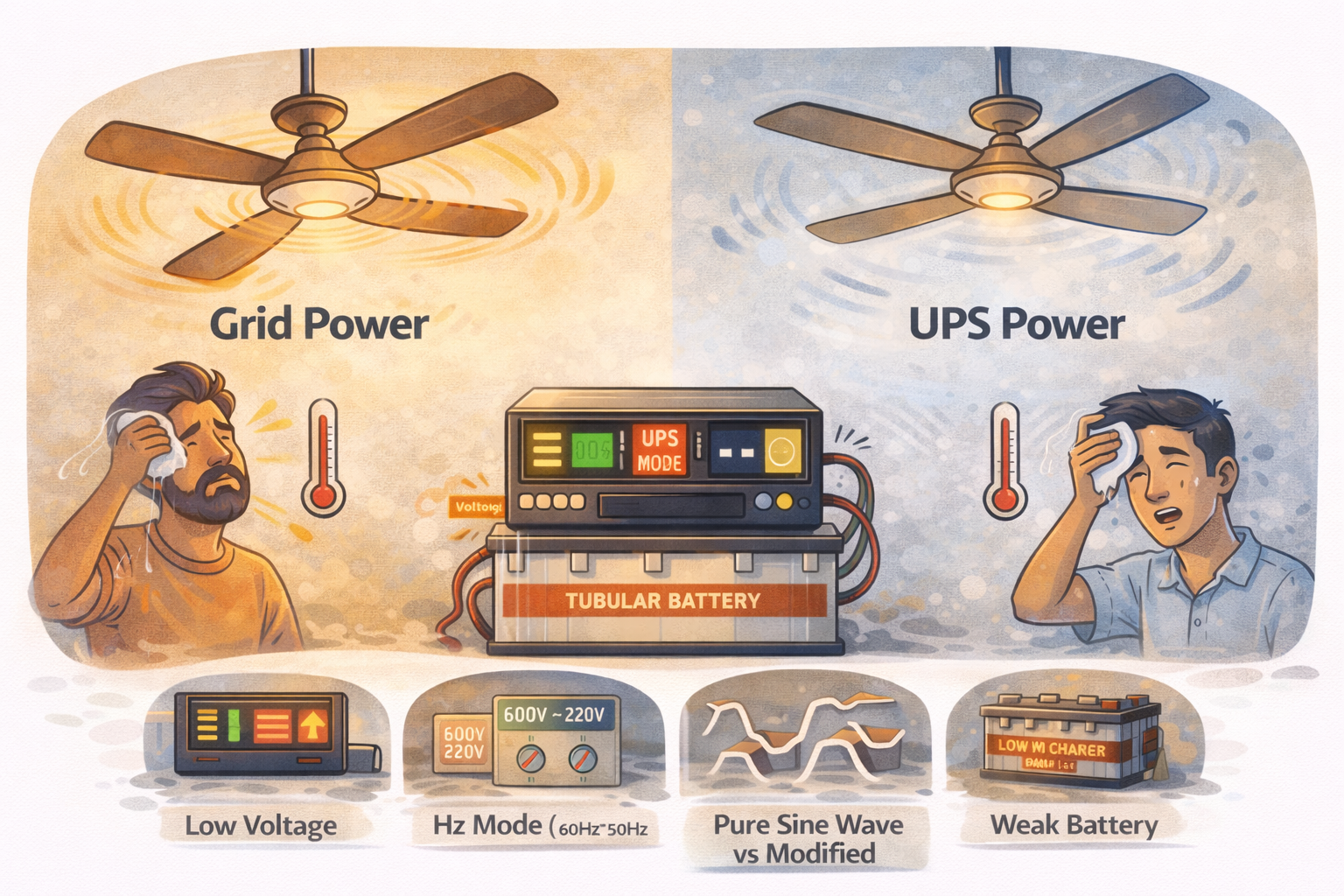
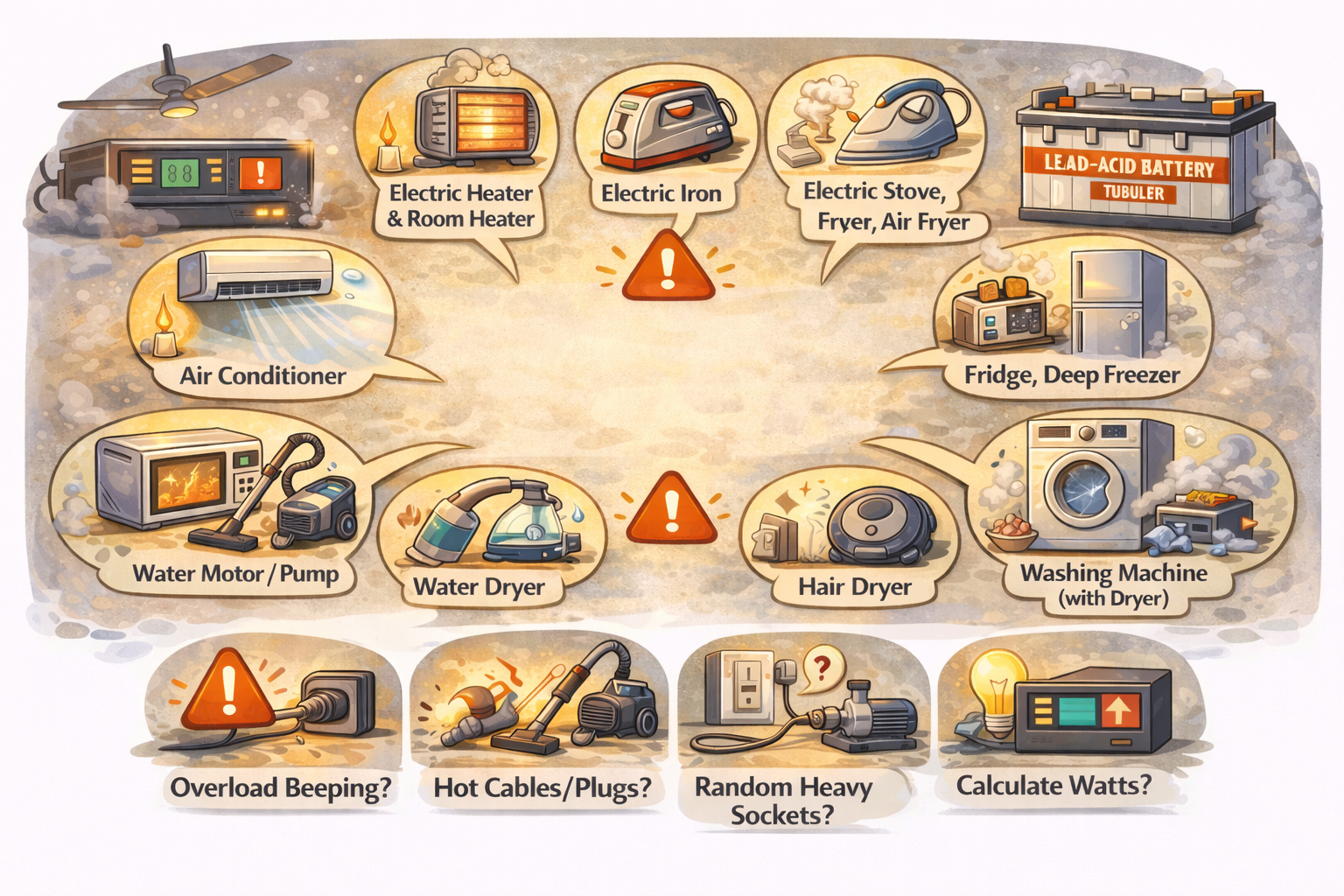
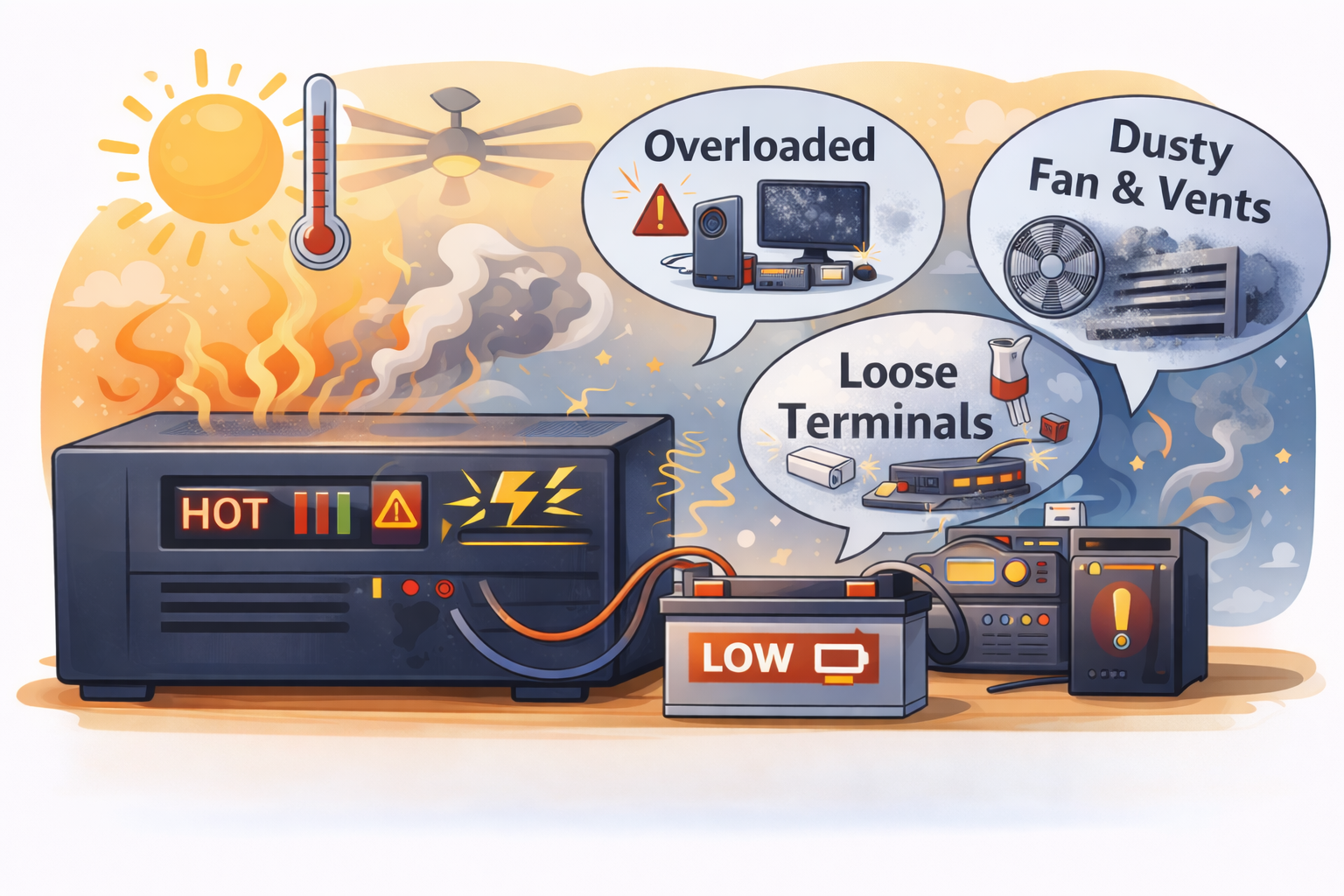
Illustration of a home UPS/inverter overheating in summer heat during load shedding, showing warning signs like “HOT,” overloaded load, dusty fan/vents, and loose battery terminals.

In Pakistan, summer heat plus load shedding is a tough combo. When the grid (WAPDA, K-Electric, or any local supply) goes off for hours, the UPS/inverter works harder. At the same time, room temperature is already high. That’s why many people notice the same problem every year: UPS/inverter gets too hot, starts beeping, smells warm, … Read more