Power Stations
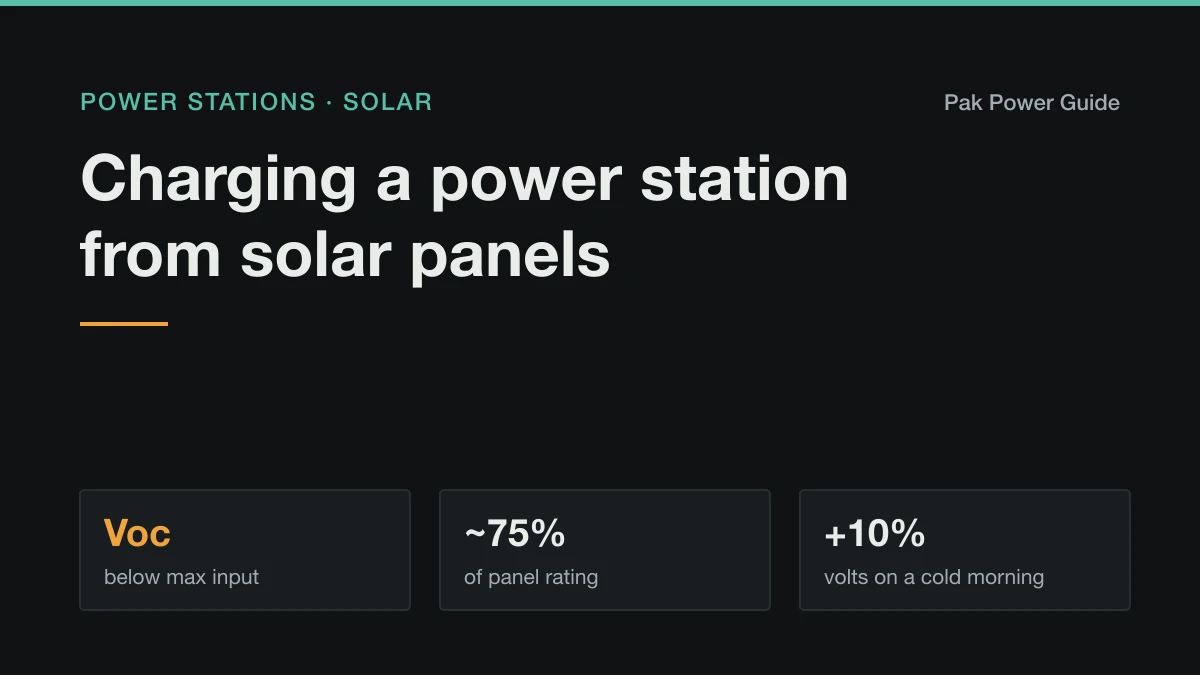
Can a Power Station Charge from Solar Panels? Setup Explained
How to match solar panels to a power station's input voltage and current, series or parallel wiring, cold-weather voltage, and realistic charge times.
4 min read
A portable power station is an inverter, charger and lithium battery in one box, and the same two numbers decide whether it works for you: watts for what it can start and run, watt-hours for how long. These guides work through the real questions, from a fridge or a CPAP overnight to charging from solar panels, with the losses the box never mentions, and say where a fixed home UPS is the better buy.
6 guides
How to match solar panels to a power station's input voltage and current, series or parallel wiring, cold-weather voltage, and realistic charge times.
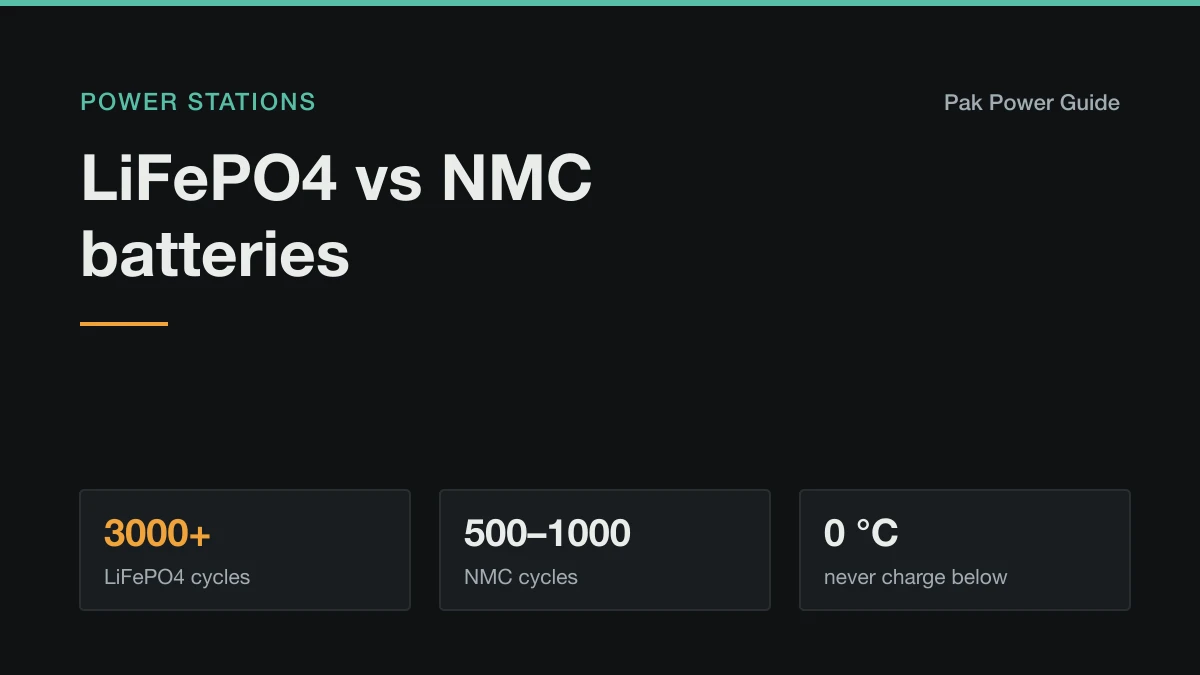
LiFePO4 lasts several times more cycles and is more heat tolerant; NMC is lighter. Which chemistry suits how you will use a power station.
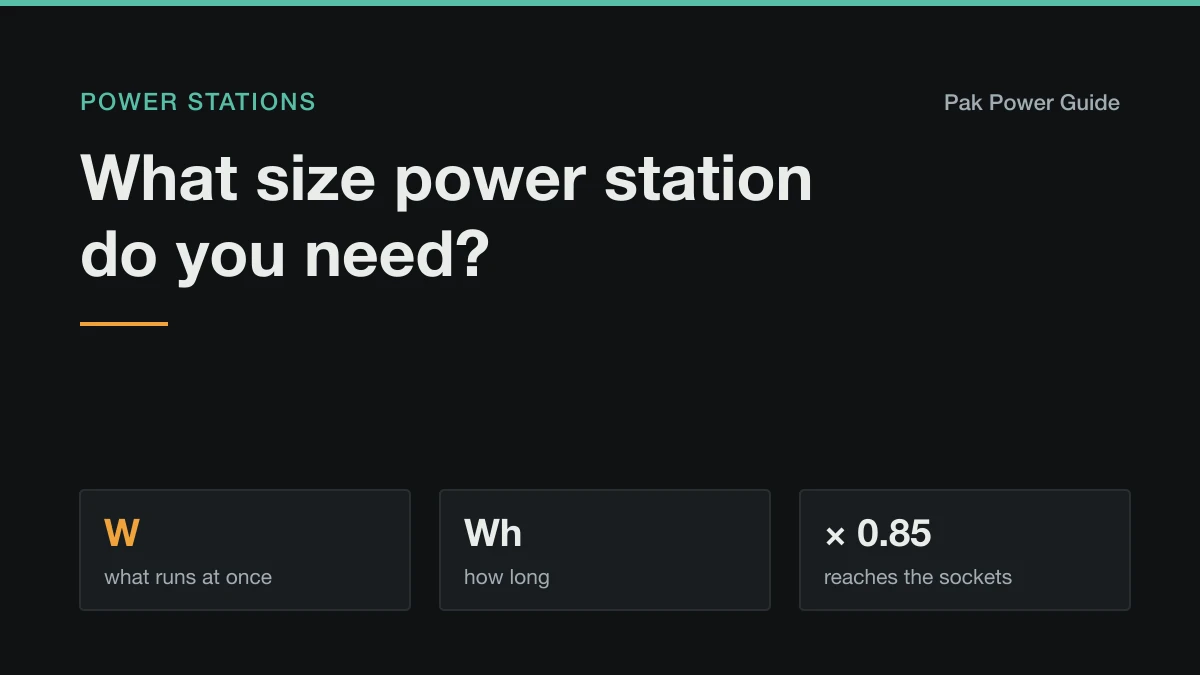
Two numbers pick a power station: output watts for what can run at once, watt-hours for how long. A five-step method with worked examples.
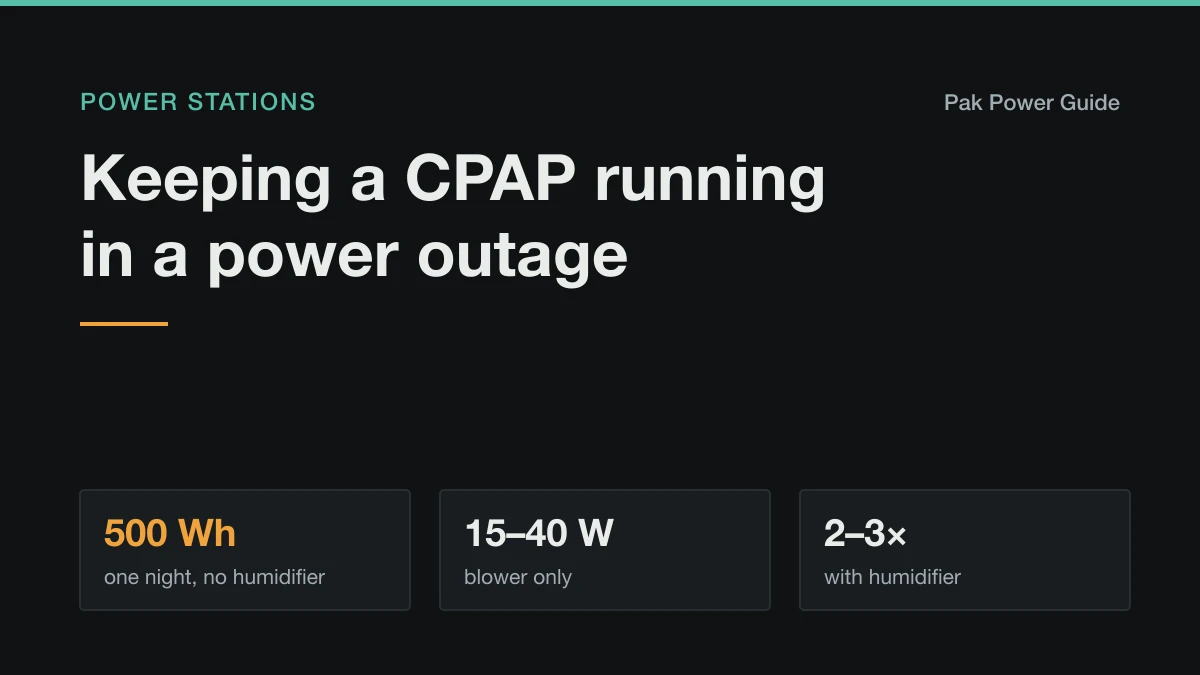
How much power a CPAP really uses, how big a battery gets you through the night, why DC beats AC, and the plan to have before a long outage.
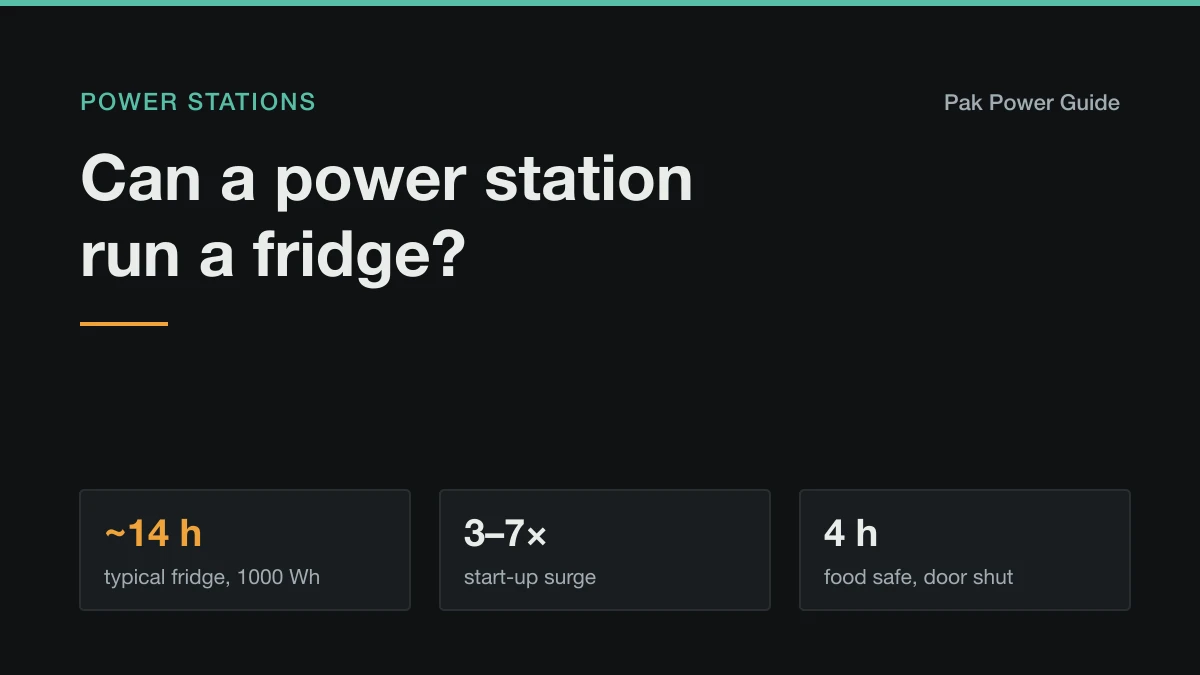
Usually yes, if it can supply the start-up surge. How to estimate hours from your fridge's daily kWh, and how long food stays safe while you decide.
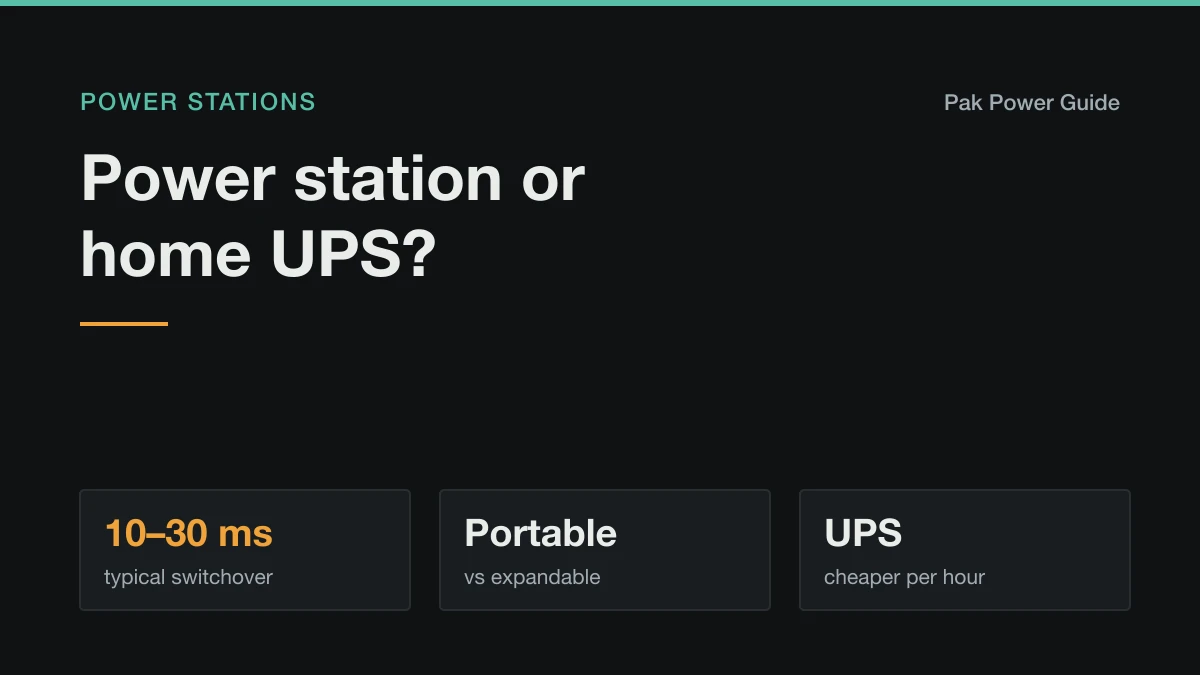
A power station is a UPS, charger and lithium battery in one box. When that convenience is worth paying for, and when a fixed inverter is the better buy.